Health and Safety Policy for Gardeners Coney Hall
 This health and safety policy sets out the standards expected from gardeners in Coney Hall when carrying out domestic, commercial, and landscaped garden work. The aim is to protect staff, clients, visitors, property, and the environment while ensuring every task is completed safely, efficiently, and responsibly. Good practice in garden maintenance depends on preparation, awareness, and consistent control of risks before any work begins.
All operatives are expected to follow safe systems of work at all times. This includes wearing suitable personal protective equipment, using tools correctly, and reporting hazards without delay. A safe working environment is essential wherever pruning, mowing, hedge cutting, planting, clearing, or pressure cleaning is undertaken. No task is considered routine if the conditions create unnecessary risk.
 The company is committed to preventing injury and ill health through careful planning, training, supervision, and review. Every member of the team has a responsibility to act with caution and to support a positive safety culture. Gardeners Coney Hall must identify hazards early, control them effectively, and stop work if conditions become unsafe.
Core Safety Principles
Risk assessments should be completed before work starts and updated when site conditions change. These assessments help identify potential issues such as slips, trips, cuts, noise, manual handling strain, flying debris, unstable ground, and contact with plants or chemicals. A practical approach to garden care means matching the work method to the specific environment, equipment, and weather conditions.
Tools and machinery must be inspected before use and maintained in good working order. Damaged blades, loose parts, blocked vents, worn cables, and defective guards can create serious hazards. Operators should only use equipment they have been trained to handle. In gardening safety, correct tool selection and regular checks are just as important as the work itself.
 Where manual handling is required, loads should be reduced whenever possible and lifted using safe techniques. Team members are expected to assess weight, balance, and route before moving bags, compost, paving, or machinery. Garden maintenance teams should avoid unnecessary twisting, overreaching, or carrying loads that may cause strain or loss of control.
Protective Measures and Working Practices
Appropriate personal protective equipment must be worn according to the task. This may include gloves, safety boots, eye protection, hearing protection, high-visibility clothing, and weather-appropriate layers. PPE is the final barrier, not a replacement for safe planning. A sensible gardeners safety policy always begins with prevention and then supports that approach with protective equipment.
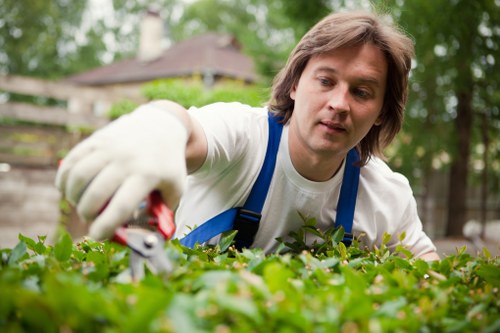
Special care is required when using powered tools such as strimmers, hedge trimmers, blowers, saws, and shredders. Machines must never be used near bystanders without proper exclusion zones. Guards and safety devices must remain in place. Safe cutting practices help reduce the risk of lacerations, impact injuries, and debris-related accidents. Operators should keep a stable stance and remain alert to hidden obstacles.
Water, fertilisers, and treatments also require careful handling. Containers should be stored securely and used in accordance with the relevant instructions and site procedures. Mixing or applying products without the correct knowledge can create exposure risks for people, pets, plants, and wildlife. Landscape maintenance should always balance effectiveness with safety and environmental responsibility.
Training, Supervision, and Incident Response
 All staff must receive suitable instruction for the tasks they are expected to perform. Training should cover safe use of equipment, hazard awareness, emergency procedures, chemical handling where relevant, and the correct response to injuries or near misses. Supervisors are responsible for checking that work is being completed safely and for intervening where standards fall below expectations.
If an accident, injury, spill, equipment failure, or dangerous situation occurs, work must be stopped and the issue addressed immediately. First aid arrangements should be available on site, and serious incidents must be reported in line with company procedure. A strong health and safety policy depends on clear reporting, prompt action, and learning from every event.
Near misses should also be recorded and reviewed. These events may reveal weaknesses in planning, training, or equipment that could lead to harm in the future. By treating every warning seriously, gardeners in Coney Hall can maintain higher standards of control and reduce repeat problems across all projects.
Responsibility and Review
The management team is responsible for ensuring this policy remains effective, current, and fit for purpose. It should be reviewed regularly and updated when work methods, equipment, or legal expectations change. Staff are encouraged to contribute ideas that improve safety, efficiency, and working conditions, provided suggestions support established procedures.
 Every employee, contractor, and supervisor must work cooperatively to uphold this policy. Safe behaviour includes respecting site rules, following instructions, maintaining concentration, and looking out for others. Gardeners Coney Hall are expected to protect themselves, protect others, and carry out each job with care, competence, and professionalism.
Through consistent application of these standards, the business can deliver reliable results while reducing avoidable harm. A proactive approach to garden safety supports better quality work, greater confidence, and a safer environment for everyone involved.