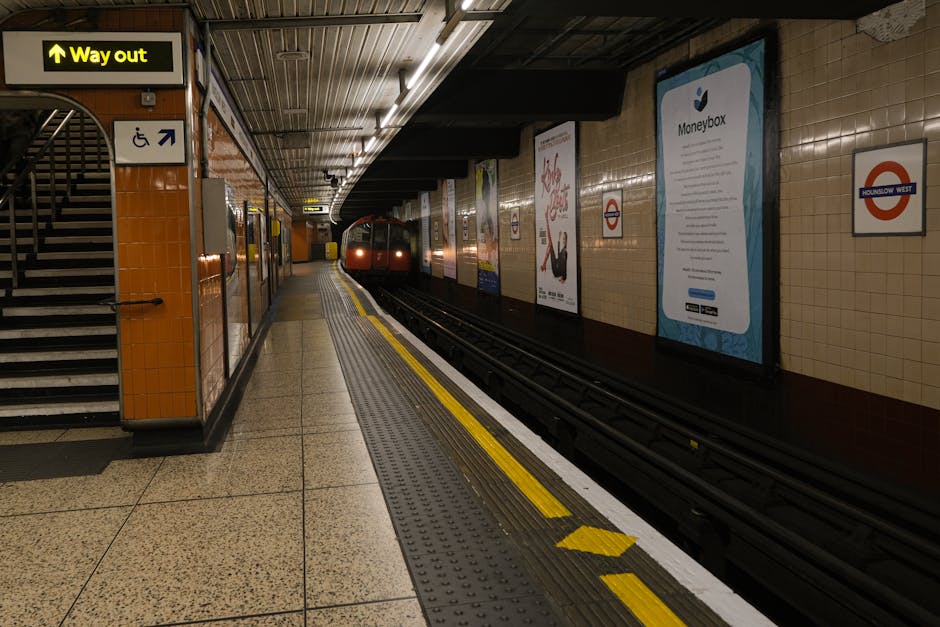
West Wickham Station area gardeners access and parking issues: a practical local guide
If you live near West Wickham Station, you already know the drill: narrow streets, busy school runs, a few awkward junctions, and not always enough space to swing a wheelbarrow, let alone unload a mower and bags of cuttings. That is exactly why West Wickham Station area gardeners access and parking issues matter so much. The right planning can save time, reduce stress, and stop a simple garden job from turning into a parking headache before the first hedge trimmer is even switched on.
This guide breaks down what those access constraints usually look like, how professional gardeners work around them, what homeowners can do to help, and which practical decisions matter most. Whether you need one-off tidying, regular garden maintenance, hedge cutting, lawn care, or a bigger landscaping project, you will find realistic advice here - the kind that makes a job smoother on the day. Truth be told, a little planning around parking can make a very ordinary booking feel much more organised.
Contents
- Why West Wickham Station area gardeners access and parking issues Matters
- How West Wickham Station area gardeners access and parking issues Works
- Key Benefits and Practical Advantages
- Who This Is For and When It Makes Sense
- Step-by-Step Guidance
- Expert Tips for Better Results
- Common Mistakes to Avoid
- Tools, Resources and Recommendations
- Law, Compliance, Standards, or Best Practice
- Options, Methods, or Comparison Table
- Case Study or Real-World Example
- Practical Checklist
- Conclusion
- Frequently Asked Questions
Why West Wickham Station area gardeners access and parking issues Matters
Garden work is often judged by the finish you can see: the crisp hedge line, the tidy lawn stripe, the fresh mulch, the patio that suddenly looks like somewhere you would actually sit with a cup of tea. But behind that visible result is a less glamorous issue: how the team gets in, where they park, and how efficiently they can move tools and waste.
In a station-area setting, access can affect almost every part of the visit. If a gardener is circling for parking, they lose minutes before work even starts. If the walk from vehicle to garden is long, equipment has to be carried further. If cuttings need to be loaded in stages because the vehicle is across the street, the job becomes slower and sometimes more expensive. None of this is dramatic, but it adds up.
For homeowners, that matters because access friction can mean:
- longer appointment windows
- higher labour time on larger jobs
- more disruption on busy roads
- extra coordination for repeat visits
- slower clearance of green waste and bulky materials
And if you are trying to keep a garden low-maintenance, this local reality shapes the best solution. A design that looks lovely but requires frequent heavy material delivery can become awkward fast. That is one reason many households near stations lean into low-maintenance outdoor space planning and simplify where they can.
Key takeaway: access and parking are not side issues. In a tight urban pocket, they influence cost, timing, convenience, and the quality of the whole service experience.
How West Wickham Station area gardeners access and parking issues Works
Every street has its own rhythm. Around station-adjacent neighbourhoods, that rhythm usually includes commuter traffic, delivery vans, school pickups, and residents competing for kerb space. A professional gardener has to work with that environment rather than against it.
In practice, a good visit usually follows a few common steps:
- Pre-visit planning. The gardener asks about access, side gates, narrow drives, locked communal paths, or any parking restrictions.
- Arrival strategy. They choose the safest and most practical place to stop, even if it is a short walk from the property.
- Equipment loading. Tools are selected with access in mind. For example, a compact mower or cordless kit may be easier to manage than heavier petrol machinery.
- On-site movement. Materials, waste bags, and tools are moved efficiently to avoid blocking neighbours or creating trip hazards.
- Waste exit. Green waste, hedge trimmings, or old plants are loaded in a way that avoids repeated long carries when possible.
That sounds simple, but small details matter. A narrow shared driveway, for instance, may mean the vehicle needs to be left on the road while the team brings equipment in by hand. A front garden with only a small path may make wheelbarrow access awkward. A rear garden with no direct street access can require more careful scheduling, especially for jobs involving soil, timber, turf, or bulk waste.
Sometimes the issue is not parking itself but timing. Mid-morning can be easier than late afternoon near a station, while early starts may avoid a lot of local traffic. You do not always need a perfect parking spot; you need a workable one, consistently. That is the difference.
If the job includes hedges or overgrown borders, access planning becomes even more important. A service like hedge trimming in Coney Hall works best when the team can unload safely and keep clippings moving out without cluttering the pavement.
Key Benefits and Practical Advantages
Good access planning does more than keep everyone calm. It improves the whole job. That is the honest answer.
Here are the main benefits you can expect when parking and access are thought through properly:
- Faster turnaround. Less time searching for parking means more time actually working in the garden.
- Cleaner workflow. Tools move in and out with fewer delays, which is especially helpful for maintenance visits.
- Lower disruption. Neighbours are less likely to be inconvenienced by repeated vehicle movements or blocked entrances.
- Better value for money. When a team can work efficiently, the job usually feels smoother and more economical.
- Safer operations. Clear access reduces the chance of trips, accidental damage, or awkward lifting.
- More suitable service choices. The right service scope can be matched to the site, whether that means regular mowing, selective pruning, or staged landscaping.
There is also a design advantage. Smaller or harder-to-access gardens often respond well to practical, compact solutions. Think container planting, vertical features, ground cover, or defined seating pockets instead of oversized beds and bulky features. If that sounds like your space, the article on container-based gardening is well worth a look.
For many households, the best outcome is not a dramatic overhaul. It is a reliable routine that works around the street outside as well as the plot inside. Nice and steady usually wins.
Who This Is For and When It Makes Sense
This topic matters to anyone who needs gardening work carried out close to West Wickham Station, but it is especially relevant if your property sits on a tight residential street, a shared access road, or a road with limited parking at busy times.
You will likely benefit from planning ahead if you are:
- a homeowner booking regular maintenance
- a landlord wanting a garden refreshed between tenancies
- a family managing hedges, lawns, and seasonal clearance
- someone arranging a one-off tidy-up after a long gap
- an older resident who needs visits to be predictable and low-fuss
- anyone commissioning work that involves bulky waste, materials, or multiple trips to a vehicle
This is also relevant if your garden design is being shaped around convenience. Some layouts are simply easier to maintain than others. If access is tight, it often makes sense to focus on durable planting, streamlined beds, and surfaces that can be cleaned or maintained without major equipment. For ideas, see smart low-maintenance strategies on a budget.
It makes sense any time a job involves more than a quick snip and sweep. Once you start dealing with hedge waste, lawn clippings, patio cleaning gear, or landscaping materials, access becomes part of the project, not an afterthought.
Step-by-Step Guidance
If you want a gardening visit to go smoothly, the simplest approach is to plan access like you would plan the work itself. Here is a sensible process.
1. Describe the site honestly
Tell the gardener about the real conditions, not the ideal ones. Mention if parking is tight, if the road is busy at certain times, if there is no driveway, or if access to the rear garden involves steps, a side return, or a narrow passage. That little bit of honesty saves everyone a headache.
2. Send clear access details
If there is a gate code, a buzzer, a shared entrance, or a specific loading point, share it in advance. If street parking is usually full by mid-morning, say so. These small facts help the team choose the right arrival window.
3. Match the job to the access
Not every task needs the same setup. A light maintenance visit is different from tree surgery, heavy clearance, or a new fence installation. For example, work involving large waste volumes may be easier to stage over more than one visit. For bigger tree-related jobs, the practicalities become even more noticeable, which is why services such as tree surgery benefit from careful advance planning.
4. Make the route from vehicle to garden as clear as possible
Move bins, bikes, planters, toys, or loose paving stones out of the way before the team arrives. A clear path sounds obvious, but people forget it all the time. And then the first ten minutes vanish to shifting a children's scooter and a couple of flowerpots.
5. Plan waste and storage in advance
Ask where cuttings, rubble, or old materials should go. If waste is staying on-site temporarily, make sure it does not block paths or create a mess for neighbours. If it is being removed, ensure the route back to the vehicle is practical.
6. Review after the first visit
Once you know how parking worked on the day, keep that information for the next booking. Good local gardening is often about learning the quirks of a property and a street, then using that knowledge to make every future visit easier.
Expert Tips for Better Results
After enough garden visits, you start to see a pattern. The jobs that run best are rarely the ones with the fanciest equipment. They are the ones with decent preparation and a few practical decisions made early.
Here are the tips that genuinely help:
- Book with access in mind. If your street gets clogged at school run times, avoid those slots if you can.
- Choose the right service type. Repeated maintenance is often easier to manage than occasional heavy restoration.
- Use compact equipment where suitable. Cordless tools and smaller machines can be easier in tight access settings.
- Keep pathways free. A clear route reduces the risk of damage to walls, plants, and paving.
- Be realistic about timing. Some jobs simply take longer in a station area. That is normal, not a problem.
- Think about your neighbours. A respectful setup avoids awkward conversations later.
A small local observation: on many residential streets, the difference between a smooth visit and a stressful one can be one parked car. Just one. That is why a two-minute planning conversation is often worth far more than people expect.
If your garden is prone to overgrowth and you want to reduce repeat labour, natural privacy planting can help keep boundaries tidy without constant intervention. The piece on quick-growing privacy hedges gives a good sense of that approach.
Common Mistakes to Avoid
Parking and access issues are usually manageable. The problems tend to come from avoidable mistakes.
- Assuming the gardener will "just find somewhere". Sometimes they will. Sometimes they will not, and that affects the visit.
- Not warning about restrictions. Resident bays, timed restrictions, narrow cul-de-sacs, and loading limitations all matter.
- Leaving gates locked or paths blocked. If access is delayed, the whole schedule slips.
- Underestimating waste volume. Hedge clippings and pruning can create far more volume than people expect.
- Booking large jobs at peak traffic times. A little scheduling flexibility can save a lot of frustration.
- Forgetting about neighbours and shared spaces. Shared driveways, communal paths, and low walls are all easy to bump into if no one has thought ahead.
Another common issue is treating access as separate from the garden brief. In reality, they are linked. If access is awkward, the most sensible plan may be to simplify the work or stage it. That does not mean lowering standards. It means being practical, which is usually smarter anyway.
Tools, Resources and Recommendations
The right tools help, but the right setup helps more. For gardeners working around West Wickham Station, a few bits of kit and planning habits make life much easier.
- Compact tools: lightweight shears, cordless trimmers, smaller mowers, and foldable hand tools
- Waste handling gear: heavy-duty bags, tarpaulins, and gloves for fast collection
- Access aids: wheelbarrows, garden carts, or carry straps where appropriate
- Protection supplies: dust sheets or padded covers for moving material through tight side passages
- Weather awareness: wet leaves and muddy paths can make access riskier than it looks at first glance
On the planning side, a good quote conversation is one of the most useful resources you have. If you are comparing jobs or trying to understand what affects pricing, the page on pricing and quotes can help frame the right questions before work starts.
You may also want to think about how a gardening service handles reliability, safety, and payment. Those boring little details are often what make a booking feel trustworthy. A solid provider will usually be happy to explain how they work, what is included, and what happens if access changes on the day.
Law, Compliance, Standards, or Best Practice
When access issues involve public roads, pavements, shared driveways, or neighbour spaces, it is wise to stay within normal UK best practice. That does not mean you need to become a parking-law expert. It does mean you should avoid creating obstruction, danger, or nuisance.
General best practice includes:
- parking legally and safely
- keeping footpaths, entrances, and dropped kerbs clear
- avoiding unnecessary engine idling or noise where possible
- moving tools and waste without creating trip hazards
- checking whether access arrangements affect neighbours or shared residents
- handling sharp tools and heavy loads with care
For gardening businesses, insurance and safe working habits matter just as much as parking. A team that is careful with access is often careful everywhere else too. If you want to understand the broader approach to risk, the page on insurance and safety is a sensible place to start, and the health and safety policy page shows the kind of standards you should expect from a professional operation.
There is also a customer-side duty to be sensible. If you know your road is tight, do not leave the access note to the last minute. If you are using a shared entrance, tell the other residents if a larger visit is planned. Nothing fancy. Just decent communication.
Options, Methods, or Comparison Table
Different access strategies suit different jobs. Here is a simple comparison of common approaches around a station-area property.
| Approach | Best for | Pros | Trade-offs |
|---|---|---|---|
| Front-of-property roadside parking | Short visits, maintenance work, light pruning | Quick in and out, minimal setup | Can be limited by traffic and restrictions |
| Driveway or private parking | Regular garden care, larger tool loads | Fast unloading, easier waste movement | Not always available, may still be narrow |
| Staged access from a side gate | Rear-garden jobs, hedge work, planting | Direct garden access, tidy workflow | Can be tight for bulky materials |
| Split-job scheduling | Big clearances, landscaping, heavy waste | Less disruption, more manageable visits | May take longer overall |
The right method is not always the most convenient on paper. It is the one that fits the property and the street. A compact garden with tricky parking might actually be better served by lighter, more regular visits than by a single heavy intervention.
If your goal is to improve the garden without adding future maintenance pain, you may also find useful ideas in urban vertical garden ideas and ground cover plant selections.
Case Study or Real-World Example
Imagine a semi-detached property a short walk from the station. The front road is busy from early morning, parking is tight by lunchtime, and the rear garden is only reachable through a narrow side passage. The owner wants hedge trimming, a lawn tidy, and a general reset after months of growth.
The first sensible move is not to send a bigger team or hope for luck with parking. It is to adjust the plan. The gardener arrives slightly earlier, parks where legal space is available, brings in compact equipment first, and uses the side passage carefully. Hedge trimmings are collected in stages so the path stays clear. The lawn is then cut with a lighter machine, and waste is taken out in one final load.
What changed the result? Not magic. Just access planning.
The owner also takes note for next time: avoid school-run hours, keep the side gate unblocked, and book routine maintenance before the garden becomes overgrown. That small shift means the next visit feels calmer and easier. The garden looks better too, which is the whole point.
This sort of approach works especially well for regular care, including garden maintenance, lawn care, and lawn mowing, where repeat access planning can save time every single visit.
Practical Checklist
Use this checklist before your gardener arrives. It is simple, but it works.
- Confirm the appointment time and expected duration
- Tell the gardener about parking restrictions or resident permits
- Share gate codes, buzzer details, or access instructions
- Move bins, bikes, toys, and loose items out of pathways
- Check that side gates and rear entrances can open fully
- Decide where cuttings or waste should be placed
- Warn neighbours if shared access may be affected
- Keep pets indoors if tools, gates, or open entrances will be used
- Make sure outdoor lights or visibility are adequate if the visit is early or late
- Ask for advice if the job might need staging across more than one visit
If you are booking for the first time, this is also a good moment to ask a few practical questions about equipment, waste handling, and what the team needs from you. A decent gardening crew will appreciate that. It shows you are thinking about the work, not just the finish.
Conclusion
West Wickham Station area gardeners access and parking issues may sound like a small operational detail, but in real life they shape everything from punctuality to cost to how relaxed the job feels. When access is planned properly, the work becomes smoother, safer, and often better value. When it is ignored, even simple jobs can feel bigger than they should.
The good news? Most access problems are manageable with honest communication, a little local awareness, and the right service plan. Whether you are dealing with hedge trimming, lawn care, tidy-ups, or more involved landscaping, the smartest approach is usually the calm one: clear access notes, realistic timing, and a service choice that suits the street as well as the garden.
If you are comparing options or planning a visit near the station, take a few minutes to prepare the access details first. It really does make a difference. And once the work is done, you get to enjoy the best bit - a garden that feels sorted, without the parking stress hanging over it.
Get a free quote today and see how much you can save.
Frequently Asked Questions
What are the main access problems for gardeners near West Wickham Station?
The main issues are limited kerb space, busy roads, narrow side access, shared driveways, and times of day when parking fills up quickly. The exact challenge depends on your street, but these are the usual suspects.
Does parking difficulty make gardening more expensive?
It can, especially if the team spends extra time moving tools, walking further from the vehicle, or staging waste removal in more than one load. That said, a well-planned visit often keeps the extra cost modest.
How can I help my gardener before they arrive?
Share access details early, move obstacles out of the way, unlock gates, and let them know where they can safely stop. That simple preparation saves time and avoids awkward first-minute delays.
Is it better to book gardening work at quieter times of day?
Usually, yes. Mid-morning or other lower-traffic windows can make parking easier near station areas. If your road gets congested during school runs or commuter peaks, avoid those periods where possible.
What if my garden can only be reached through a narrow side passage?
That is common enough. The key is to tell the gardener in advance so they can choose suitable equipment and plan how materials or waste will move through the route safely.
Can small gardens still be maintained efficiently in tight access areas?
Absolutely. In fact, compact gardens often suit regular maintenance, container planting, and simpler layouts. The trick is to work with the access rather than against it.
Should I warn neighbours if the gardener may use shared access?
Yes, if the work could affect shared paths, driveways, or close parking. It is not always essential, but it is courteous and can prevent misunderstandings.
What type of gardening jobs are most affected by parking issues?
Heavier jobs such as hedge clearance, tree-related work, landscaping, and big tidy-ups are most affected because they involve more equipment, more waste, or more time on site.
How do I know whether I need a one-off visit or regular maintenance?
If your garden becomes hard to manage between visits, regular maintenance is usually the calmer option. It reduces the build-up of waste and keeps access easier because the job never gets out of hand.
Are there safety concerns with unloading equipment on a busy road?
Yes, which is why experienced gardeners plan unloading carefully and avoid creating hazards for pedestrians or traffic. Safe parking and clear pathways are part of professional practice, not just convenience.
What should I ask a gardener before confirming the booking?
Ask how they handle parking, what access details they need, whether they use compact tools for tight sites, and how they deal with green waste. Those questions are practical and entirely reasonable.
Where can I learn more about choosing the right garden service?
Start with the service pages and planning information on the site, especially if your garden needs maintenance, lawn care, hedge trimming, or broader landscaping. A quick read of the service scope can help you choose the right level of support without overbuying or underplanning.