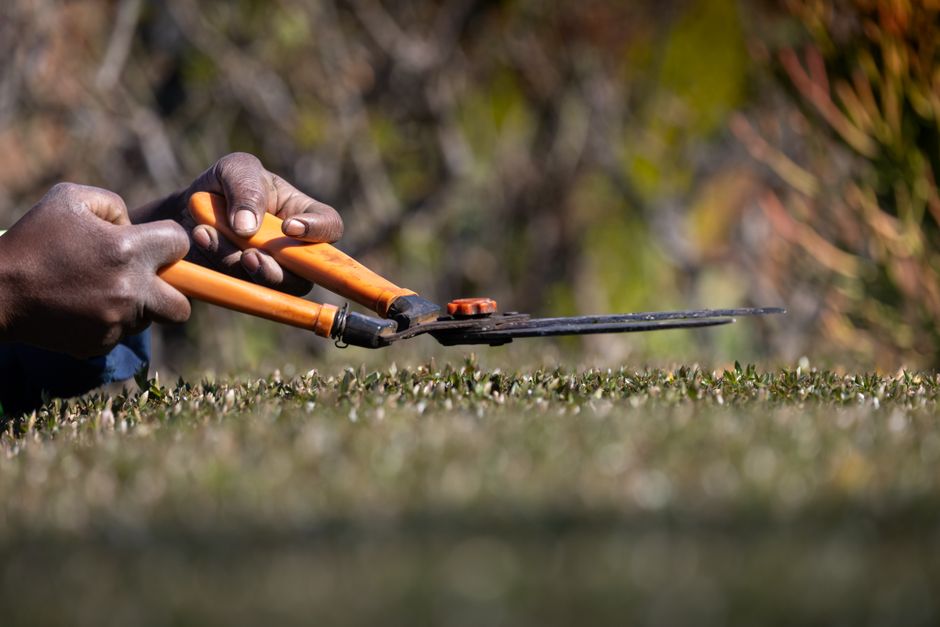
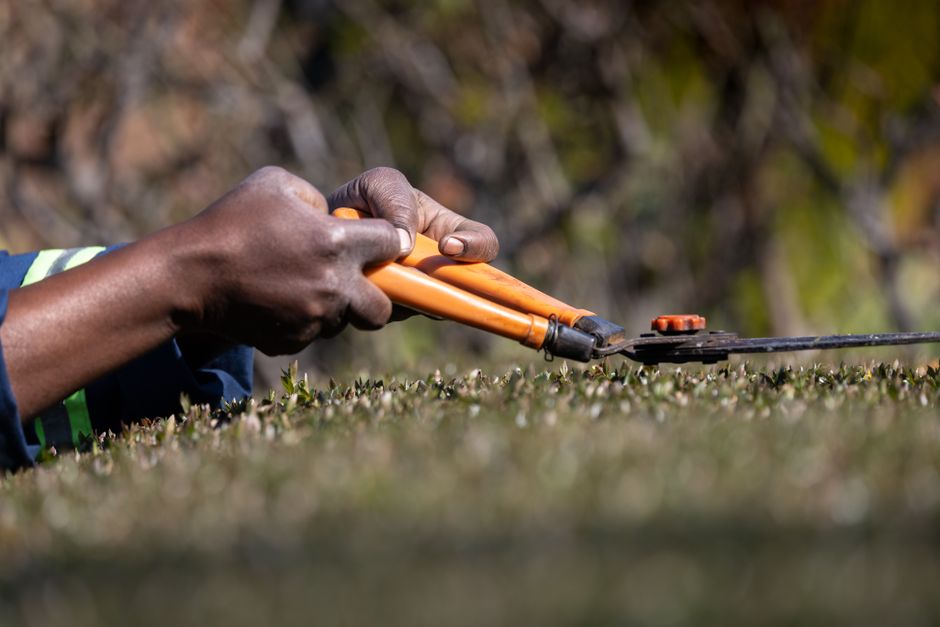
Bromley council rules gardeners must know for hedge pruning
If you prune hedges in Bromley, the job is rarely just about sharp shears and a neat finish. You also need to think about boundaries, wildlife, neighbour impact, road visibility, and the practical reality of working in a busy London borough. Bromley council rules gardeners must know for hedge pruning are not something most people learn at the point of first trimming a laurel or yew, yet ignoring them can create avoidable problems fast.
This guide breaks the topic down in plain English. You'll learn what usually matters, how to plan a hedge prune the sensible way, where the common compliance traps are, and how to stay on the right side of best practice without turning the whole thing into a bureaucratic headache. Let's face it, most homeowners just want a healthy hedge and a tidy garden. That's fair enough.
For broader upkeep, it can also help to think about hedge work as part of regular garden maintenance, especially where pruning affects lawn edges, access paths, or the shape of the whole front garden.
Table of Contents
- Why Bromley council rules gardeners must know for hedge pruning matters
- How it works in practice
- Key benefits and practical advantages
- Who this is for and when it makes sense
- Step-by-step guidance
- Expert tips for better results
- Common mistakes to avoid
- Tools, resources and recommendations
- Law, compliance, standards, or best practice
- Options, methods, or comparison table
- Case study or real-world example
- Practical checklist
- Conclusion
- Frequently asked questions
Why Bromley council rules gardeners must know for hedge pruning Matters
Hedge pruning sounds simple until it isn't. A hedge that overhangs a pavement can affect pedestrians. A tall front hedge can restrict sightlines near a driveway. A dense nesting hedge can turn a routine trim into a wildlife-sensitive job. And a badly timed cut can leave a plant stressed, ragged, or ugly for months.
In Bromley, the key thing is that garden work often sits at the point where private property meets the public realm. That means your hedge may not just be "your hedge". It might border a footpath, lane, shared wall, or neighbour's garden. If you get the timing or scope wrong, you may create friction with a neighbour, or even invite a complaint. Nobody wants that on a Friday afternoon with the trimmings still piled up and the bins already full.
There is also a quality angle. A hedge cut badly is hard to disguise. You'll notice brown edges, uneven lines, and weak regrowth. The right approach keeps the hedge healthier and usually saves time later. If the hedge is part of a wider tidy-up, it may make sense to combine the work with garden clearance so the cuttings, deadwood, and surrounding debris are dealt with properly in one visit.
Expert summary: the safest way to think about hedge pruning in Bromley is simple: protect the plant, respect boundaries, watch for wildlife, keep paths and sightlines clear, and always check whether the hedge affects a neighbour or public area before you start.
How Bromley council rules gardeners must know for hedge pruning Works
There is usually no single "hedge pruning permit" for everyday domestic gardens. The practical rules come from a mix of local expectations, common-sense safety, neighbour rights, property boundaries, and wider UK environmental and wildlife protections. That's the bit many people miss. It's not one tidy rulebook; it's several layers that overlap.
Here's how it tends to work in real life:
- Check ownership and boundary lines. Before you cut, know whose hedge it is and where the legal boundary runs, as far as you can tell from deeds, fences, or long-standing layout.
- Confirm whether the hedge affects public space. If branches, stems, or low growth are pushing into a pavement or road line, the work may need extra care.
- Look at the season. The best pruning window depends on hedge species, nesting risk, and growth rate. Some hedges tolerate hard cuts well; others need a gentle trim.
- Inspect for wildlife activity. Active bird nests are the big one. If nesting birds are present, you should pause or change the plan.
- Work methodically. Shape, then refine. Don't hack the hedge down in one go unless you are dealing with an overgrown specimen and the plant can take it.
For many homes, a professional hedge service is easiest when the work is bundled with broader garden upkeep. A team that already handles gardening services or hedge trimming is usually better placed to spot when a hedge needs a careful trim rather than a more aggressive cutback.
And yes, the detail matters. A quick "tidy-up" sounds harmless, but on a mixed hedge with bird activity and a neighbour's fence right behind it, the job becomes more nuanced very quickly.
Key Benefits and Practical Advantages
Following the right approach is not just about avoiding trouble. It genuinely improves the garden. A properly pruned hedge looks better, grows more evenly, and usually becomes easier to maintain next time around.
Some of the main practical benefits include:
- Healthier growth: good pruning reduces tearing and encourages a more natural regrowth pattern.
- Cleaner street appearance: this is especially useful for front hedges visible from Bromley streets and pavements.
- Fewer disputes: keeping hedge lines tidy and off boundaries tends to reduce neighbour tension.
- Safer access: well-managed hedges are less likely to block paths, driveways, or sightlines.
- Better long-term shape: regular trimming prevents the hedge from becoming top-heavy and awkward to control.
- Lower cleanup burden: a planned prune creates less mess than a rescue job on an overgrown hedge.
There's also a knock-on benefit many people appreciate only after the job is done: the whole garden feels calmer. You hear less rustle from stray branches brushing the fence, the pavement edge looks less cramped, and the light gets into places it couldn't reach before. Small thing, maybe. But it changes how the space feels.
If the hedge sits near decorative boundaries, pruning can also make nearby features easier to maintain, whether that's a timber line, a boundary panel, or a paved area. In those cases, related services like fencing or patio cleaning may become relevant as part of the same tidy-up plan.
Who This Is For and When It Makes Sense
This topic matters to a wider group than you might think. It is not only for professional gardeners. In practice, it affects homeowners, landlords, tenants with garden responsibility, property managers, and anyone who does seasonal cutbacks on private land in Bromley.
It makes most sense to pay close attention if:
- your hedge borders a pavement, road, alley, or shared access;
- your hedge has become very tall or wide;
- you are unsure whether birds may be nesting;
- you need to prune near a fence, wall, or neighbour's boundary;
- you want to avoid an overcut that leaves the hedge bare or patchy;
- you are hiring someone and want to ask the right questions before work starts.
A homeowner may only need a light trim once or twice a year. A landlord or managing agent might need a more formal schedule because overgrown hedges can affect shared entrances or frontages. A professional gardener, meanwhile, has to think about access, waste removal, ladder safety, and whether the hedge requires specialist handling. Truth be told, hedge pruning is one of those jobs where the "simple" version and the "sensible" version are not always the same thing.
If you are planning a broader seasonal refresh, pairing hedge work with lawn mowing or lawn care can make the whole garden look finished rather than half-done. That often matters more than people expect.
Step-by-Step Guidance
Here is a practical way to approach hedge pruning without making a mess of it.
- Inspect the hedge first. Look for nesting birds, dead sections, disease, and whether the hedge is crossing a boundary or path.
- Confirm the species, if you can. Some hedges respond well to shaping, while others need lighter, more selective cutting.
- Choose the right day. A dry, calm day is best. Wet hedges are awkward to cut cleanly, and windy conditions make straight lines harder.
- Set the shape before you cut. Decide whether the hedge should be level, tapered, or slightly wider at the base for light access.
- Cut gradually. Take small amounts off and step back often. Your eyes will tell you more from a distance than your hand will at arm's length.
- Keep the top under control. Tops are tempting to flatten too aggressively. A little restraint goes a long way.
- Clear cuttings as you go. Don't let trimmings hide uneven work or snag your tools.
- Finish with a boundary check. Make sure nothing is hanging into a neighbour's side or obstructing public space.
A small human tip: step back every few minutes. Seriously. From close up, every branch looks huge. From the patio, it all reads differently. We've all seen that "almost there" hedge that only looked fine from six inches away. Not ideal.
Expert Tips for Better Results
Good hedge pruning is less about force and more about judgement. Here are the details that make a real difference.
- Taper broad hedges slightly. A hedge that is narrower at the top and broader at the bottom usually gets better light at the base.
- Avoid overcutting old wood. Some hedges do not bounce back quickly from hard cuts into bare, woody growth.
- Use clean, sharp tools. Blunt blades tear stems and leave a rougher finish.
- Work around wildlife cues. If you hear persistent bird activity, see repeated movement, or spot a nest-like structure, stop and reassess.
- Keep the hedge in proportion. If the garden is small, a bulky hedge can dominate the space. A lighter trim can transform the feel of the whole plot.
- Plan waste handling before you start. Cuttings are annoying when they're everywhere. Have sacks, a trailer, or disposal plan ready.
For larger or more awkward hedges, especially where access is tight, it may be more efficient to combine pruning with landscape gardening work or a more structured garden maintenance visit. That way the garden is considered as a whole, not as a series of disconnected jobs.
And one more thing: if you are unsure, prune less. That sounds almost too obvious, but undercutting is easier to correct than taking too much off in one pass. Not glamorous, just true.
Common Mistakes to Avoid
Most hedge pruning problems come from a handful of repeat mistakes. The good news? They are avoidable once you know what to watch for.
- Cutting at the wrong time of year. A hedge can survive it, but the result may be thin growth or a missed nesting issue.
- Ignoring the hedge line. If the hedge leans into a neighbour's land or public path, don't assume it is fine just because it has "always been like that".
- Shearing too quickly. Fast cuts make uneven surfaces and can strip too much foliage from one area.
- Forgetting the base. Many people focus on the top and sides, then leave the bottom heavy and shaded.
- Using the wrong equipment. A ladder, hedge trimmer, and power lead combination can be awkward if the hedge is tall or uneven.
- Leaving waste to pile up. It blocks sightlines and makes it harder to see whether the cut has been completed evenly.
- Assuming all hedges behave the same. They really don't. Laurel, beech, privet, and conifer all have different tolerance levels.
Another common slip is treating hedge pruning as a one-off rescue job rather than something seasonal. That usually means more labour, more waste, and a harsher result. Regular light work is kinder to the plant and kinder to your weekend, too.
Tools, Resources and Recommendations
You do not need an extravagant kit, but the right tools make pruning safer and cleaner. The exact setup depends on hedge height, thickness, and access.
| Tool / Approach | Best for | Why it helps |
|---|---|---|
| Hand shears | Small to medium hedges and fine shaping | Gives better control and a more precise finish |
| Hedge trimmer | Longer runs and routine maintenance cuts | Saves time on larger sections, if used carefully |
| Sturdy gloves and eye protection | Almost every hedge job | Helps protect against flying clippings and scratches |
| Step platform or safe access equipment | Taller hedges | Provides a more stable working position than reaching too far |
| Rake, sacks, and waste containers | Cleanup | Stops cuttings from spreading across lawns and paths |
For busy homeowners, the real "resource" is often time. If the hedge is part of a larger tidy-up and you want the garden looking crisp in one go, a combined service may save hassle. That is where gardening services can be a sensible option, especially if the hedge sits alongside beds, borders, and lawn edges that need attention too.
Safety and trust matter as well. Before hiring anyone, it is reasonable to ask about insurance, work practices, and how they handle site safety. The site's own insurance and safety information and health and safety policy are useful places to understand how the business thinks about risk.
Law, Compliance, Standards, or Best Practice
For hedge pruning, the key compliance issues in practice usually revolve around three things: wildlife protection, neighbour boundaries, and safe working methods. You may not be dealing with a special local licence, but that does not mean there are no rules to consider.
Broadly speaking, the main best-practice points are:
- Do not disturb active nests. If nesting birds are present, pause work and wait until it is safe to continue.
- Respect boundary ownership. Cutting what is clearly on the neighbour's side without agreement can create trouble, even when the hedge itself is shared in appearance.
- Prevent obstruction. Hedges should not be left to create avoidable hazards for pedestrians, drivers, or neighbours.
- Use safe access methods. Working at height with unstable footing is a real risk, and one that is too easy to underestimate.
- Dispose of waste responsibly. Cuttings should be cleared in line with normal garden waste practice and any applicable site arrangements.
It is also worth remembering that local council expectations can extend beyond the hedge itself. If overgrowth is affecting a front approach, driveway visibility, or the general appearance of the property, a tidy hedge often works best alongside other improvements such as landscaping, tree surgery, or, where relevant, tree lopping and removal. Those are different jobs, of course, but in a real garden they often overlap visually and practically.
If you are ever unsure whether your hedge is edging into a more formal compliance issue, the safest move is to slow down, document what you see, and get a second opinion before cutting hard. That little pause can save a lot of stress later.
Options, Methods, or Comparison Table
Not every hedge needs the same approach. The right method depends on how established the hedge is, what shape you want, and how much growth has built up.
| Method | Best for | Main advantage | Main caution |
|---|---|---|---|
| Light routine trim | Healthy hedges kept in shape seasonally | Maintains neatness with minimal stress to the plant | Needs regular scheduling |
| Formative shaping | Younger hedges | Builds a stronger structure early | Can be overdone if the shape is forced too soon |
| Reduction cut | Overgrown hedges that need size control | Brings the hedge back into proportion | More stressful and sometimes slower to recover |
| Selective hand pruning | Mixed or delicate hedges | More control and less damage to foliage | Takes more time |
In many Bromley gardens, the sensible default is a light trim, followed by a proper review of shape and regrowth. A reduction cut is sometimes necessary, but it should not be the first instinct unless the hedge has genuinely outgrown the space.
If your hedge work is tied to a wider outdoor refresh, it can help to think about the whole site flow: hedge shape, border edges, paths, and any structures nearby. For example, if a hedge is screening a seating area or patio, it may make sense to pair pruning with decking services or patio cleaning so the finished garden feels cohesive.
Case Study or Real-World Example
A typical Bromley job might involve a front hedge that has pushed out over the pavement over one spring and summer. The homeowner thinks it just needs "a bit off the top", but once the hedge is inspected, there is also a wider issue: the base has gone sparse, the top is shading itself, and the side nearest the neighbour's drive is beginning to crowd a boundary panel.
In that kind of scenario, the best result usually comes from a measured trim rather than an aggressive cut. The hedge is checked for nesting activity first, then reduced in small stages. The top is tapered back slightly, the sides are brought in just enough to restore the line, and the base is left with enough foliage to keep it healthy. Cuttings are removed as work progresses, which sounds basic, but it keeps the job visible and tidy.
By the end, the pavement is clear, the front garden looks more open, and the hedge is still dense enough to recover well. The homeowner gets the crisp look they wanted without turning the hedge into a row of sad sticks. Which, to be fair, happens more often than people admit.
If a job like that has a lot of waste, awkward access, or adjacent debris, it may be worth combining the work with a service such as garden clearance or ongoing garden maintenance. That makes the whole job more efficient and less disruptive on the day.
Practical Checklist
Use this before you start hedge pruning in Bromley:
- Check whether the hedge is on your side of the boundary.
- Look for signs of nesting birds or other wildlife activity.
- Confirm the hedge is not blocking a pavement, driveway, or sightline.
- Choose the right cutting method for the hedge species and age.
- Make sure tools are sharp, clean, and safe to use.
- Plan how you will collect and remove the cuttings.
- Trim gradually and step back often to check the shape.
- Leave the base slightly wider than the top where appropriate.
- Keep the work neat along fences, walls, and neighbouring edges.
- Review the result from the pavement or garden path before finishing.
If the hedge is part of a larger outdoor project, it may also be useful to review service pages such as lawn care or landscape gardening so the whole space is brought into balance rather than just one corner.
Get a free quote today and see how much you can save.
Conclusion
Bromley council rules gardeners must know for hedge pruning are really about good judgement, not fear. Know where the hedge sits, trim at the right time, respect wildlife, avoid boundary disputes, and keep the work safe and tidy. Do that consistently and the hedge will look better, last longer, and create fewer headaches for everyone nearby.
In the end, a well-pruned hedge is one of the simplest signs that a garden is being properly cared for. Neat, calm, and a bit more breathable. That's usually the goal, after all.
If you want the same standard across the rest of the garden, consider a broader approach through gardening services or a scheduled garden maintenance plan so the result lasts beyond the day of the cut.
Frequently Asked Questions
Do I need permission from Bromley Council to trim my hedge?
Usually, routine hedge trimming on private property does not require special permission. The important part is whether the hedge affects public land, visibility, or wildlife, and whether you actually own the hedge or just maintain it.
When is the best time to prune a hedge in Bromley?
It depends on the hedge species and condition, but a calm, dry day is always better than wet or windy weather. You should also avoid disturbing nesting birds, so timing matters more than people often expect.
Can I cut back a hedge that hangs over the pavement?
Yes, but do it carefully and make sure the work does not create hazards for pedestrians. Clear the debris, avoid blocking the footway, and take care not to damage the hedge unnecessarily.
What happens if birds are nesting in the hedge?
If there are active nests, pruning should pause. Nesting birds are one of the biggest reasons hedge work needs a pause-and-check approach rather than a rushed trim.
How hard can I cut an overgrown hedge?
That depends on the plant type and how much old growth is present. Some hedges tolerate reduction well; others do not. If you are unsure, it is better to reduce gradually than to remove too much at once.
What if my neighbour wants me to cut a shared hedge?
Start by checking where the hedge boundary sits and talk things through calmly. Shared hedges often need a practical compromise, and it is usually better to agree a schedule than to argue about the line.
Should I use a hedge trimmer or hand shears?
Hand shears give more precision, while hedge trimmers save time on larger sections. For fine shaping or mixed hedges, hand tools often give a cleaner result. For long runs, a trimmer can be more efficient.
Can hedge pruning damage the plant?
Yes, if it is done too aggressively, at the wrong time, or with blunt tools. A clean, measured cut is much kinder to the hedge and usually leads to better regrowth.
What should I do with hedge cuttings?
Collect them as you go and arrange disposal before starting the job. Many people underestimate how much waste a hedge creates, and it can quickly spread across the lawn and paths if left too long.
Is hedge pruning part of general garden maintenance?
Absolutely. It often sits alongside lawn care, border tidying, and seasonal clean-up work. In a well-kept garden, hedge pruning is usually one part of a wider maintenance routine rather than a standalone task.
How do I know whether to book a professional gardener?
If the hedge is tall, overgrown, awkwardly placed, or near a boundary or public pavement, booking help is sensible. A professional can handle the pruning safely and save you from a messy first attempt.
Will pruning improve a hedge that has become thin at the base?
Sometimes, yes, if the hedge still has enough healthy growth to respond. The key is to avoid overcutting the top and to manage future trims so the base gets enough light.
Can hedge pruning be combined with other garden work?
Yes, and that is often the most efficient approach. Many people combine it with lawn mowing, fencing checks, or broader tidy-up work so the garden looks properly finished in one visit.
Where should I start if I want help with hedge pruning?
Start by assessing the hedge's size, condition, and boundary position. If you want a professional opinion, look at the site's hedge trimming service and then decide whether the hedge needs a light trim or a more careful restoration approach.